
Naëtt Atkinson
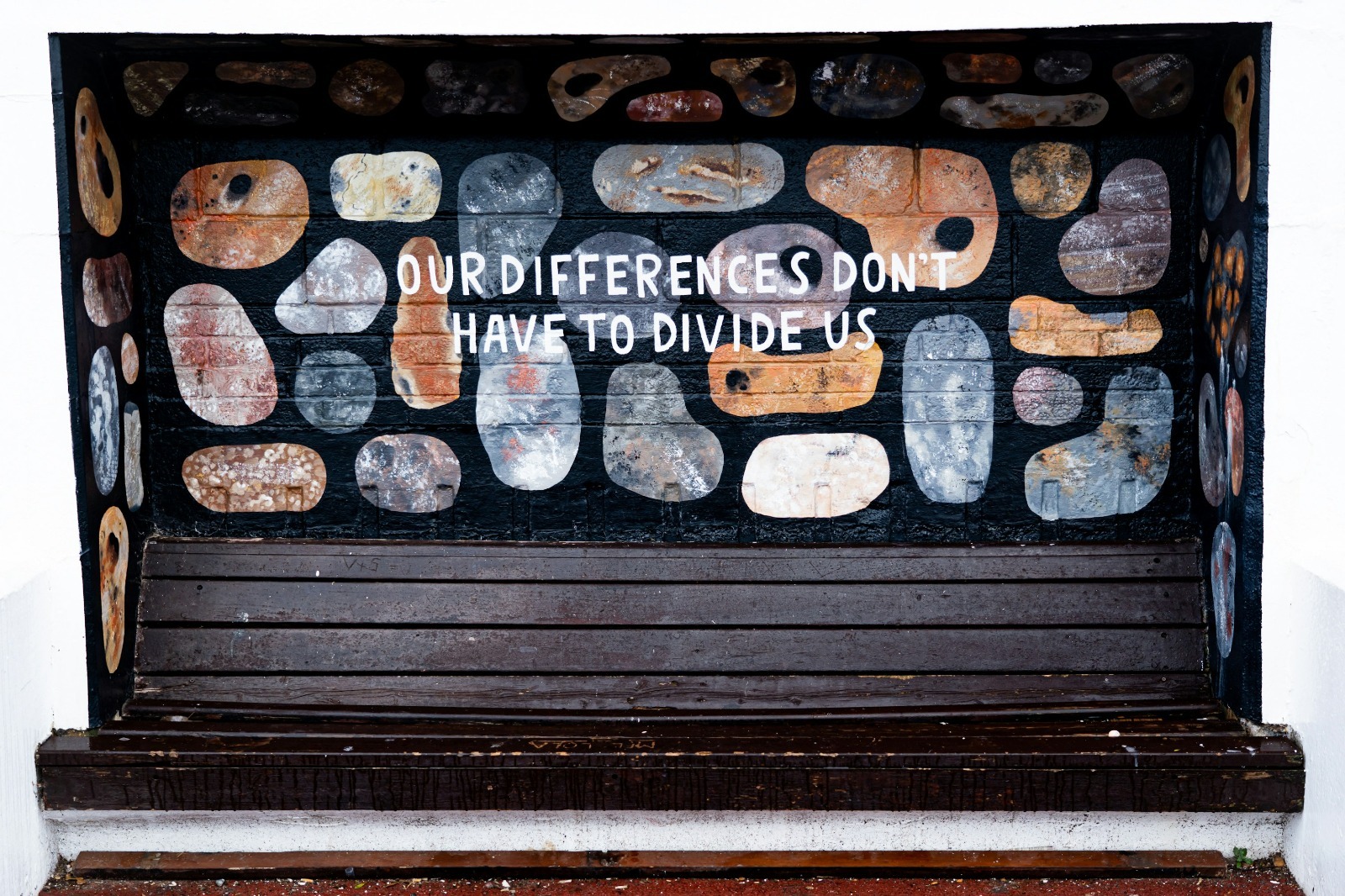
“Managing conflict and having difficult conversations are the top two challenges for leaders at all levels.”
- Why workplace mediation?
- It is more cost effective and less time consuming and frustrating than going to the Labour court or Arbitration body
- You value the employees, their skills and experience and don’t want to lose them.
- You want to minimise the impact the conflict has on productivity and the wider organisation.
- It costs less than recruitment, replacement and retraining.
- You are concerned about the reputation of the organisation.
- You’ve tried unsuccessfully to resolve the matter internally.
2. Which workplace matters can be mediated?
- Relationship breakdown between people, teams or employees and management who need to work together.
- Bullying, harassment and discrimination
- Disagreement between departments
- Performance and lack of productivity
- Clash of personalities or workstyles
- Grievances
- Incapacity through illness or poor work performance
- Mutually agreed upon severance agreements
- Strained relationship between Management and Board
- Support during change managemen
- Who can benefit from workplace mediation?
Anyone in the workplace who is currently caught up in a disagreement that is affecting their emotional and physical wellbeing. Individuals, teams, Board members
3. When to consider workplace mediation?
- The earlier workplace conflict mediation happens, the higher the chance of success.
- The conflict has an impact on productivity
- The conflict is spilling over into other teams or individuals in the organisation.
- The work environment is considered psychologically unsafe and toxic.
4. What is the role of HR in the mediation process?
- HR is often the first port of call for parties or teams in conflict.
- HR is in touch with the organisational culture and responsible for employee wellbeing within organisational vision.
- HR is the custodian of employment and dispute resolution policies.
- HR is the point of contact between the external mediator, the parties and the organisation.
5. Why can’t we do the mediation internally?
- HR or Senior Managers might not have the necessary conflict resolution skills, time or patience to deal with conflict effectively.
- Internal mediation might result in short lived surface level agreements because people have to conduct mediation in addition to their workload or expect the parties in conflict to put their differences aside and get on with their duties.
- The mediator’s independence and the confidentiality of the process is significant. No employee will willingly divulge their own negative behaviour to an internal mediator for fear of repercussions to their own ongoing employment. This will impact full and frank discussions of the issues at hand.
- HR or Managers are often seen or experienced as “One of them” or on the side of management.
- Mismanaged conflict can lead to an increase in conflict and costs.
6. What are the goals of mediation in the workplace?
- Foster constructive dialogue
- Repair trust and improve communication
- Increase understanding and awareness of unhelpful behaviours
- Improve employee relationships
- Reduce legal risks
- Enhance overall workplace culture
- Improve employee engagement, productivity and retention
7. What is the process for workplace mediation?
- The mediator will have an initial discussion with HR or the person who initiated the mediation to get an overview of what they perceive the conflict is about as well as information about the reason the company would like to resolve the matter.
- The mediator will outline the rules and the process
- The mediator will have private and confidential individual discussions, online or in person, with all concerned parties to get a better understanding of the issue/s as well as the outcomes the parties seek.
- The mediator will set up a joint session or sessions with the parties to facilitate communication and collaboration. In cases of big multiparty mediations this might happen in smaller groups until relationship and trust is reestablished before the mediator brings the larger group together.
- The parties with the assistance of the mediator find solutions, repair the relationship and establish guidelines for future behaviour.
- The mediator drafts a written agreement to be signed by the parties.
- Follow-up meetings to monitor progress and deal with any latent or unresolved issues
8. How long does the mediation process take?
- This depends on the nature and extent of the conflict, as well as the willingness of the parties to resolve the matter. During the initial briefing the mediator will be able to answer this question in more detail.
- Generally a workplace mediation needs individual sessions of 60min as well as at least one collaborative session of a half or full day.
9. What are key factors for effective workplace mediation?
- Management support.
- Clear mediation policies and procedures.
- Fostering a culture of open communication and respect.
“Conflict is inevitable in any workplace, and it can arise from a variety of sources, such as differences in personality, communication styles, or goals. While some level of conflict can be healthy for organizations, too much of it can negatively impact employee morale, productivity, and ultimately, the bottom line. Workplace mediation is the key to settling smaller squabbles before they escalate and disrupt the rest of your team. ”